




Power electronics is an interdisciplinary domain that integrates principles from electrical, electronic, and control engineering to investigate the conversion, control, and administration of electrical power. The main objective of power electronics is to devise efficient, compact, and economical techniques for transforming and regulating electrical energy between different forms. Given the accelerated expansion of renewable energy sources, electric vehicles, and smart grid technology, the significance of this field has surged.
Definition
Power electronics deals with the conversion and control of electric power using electric converters based on the switch of semiconductors.
The power converter has four major categories:
- DC/DC converters – linear regulators and switching choppers
- AC/DC converters – rectifiers that transform AC to DC with adjustment of voltage and current
- DC/AC converters – inverters that produce AC of controllable magnitude and frequency
- AC/AC converters – AC frequency, phase, magnitude, and power converters, both with and without an intermediary DC link
Each converter is composed of fundamental electronic components, including resistors, capacitors, and inductors, as well as semiconductor devices such as diodes, thyristors, and transistors.
Related Content
-
ARTICLE
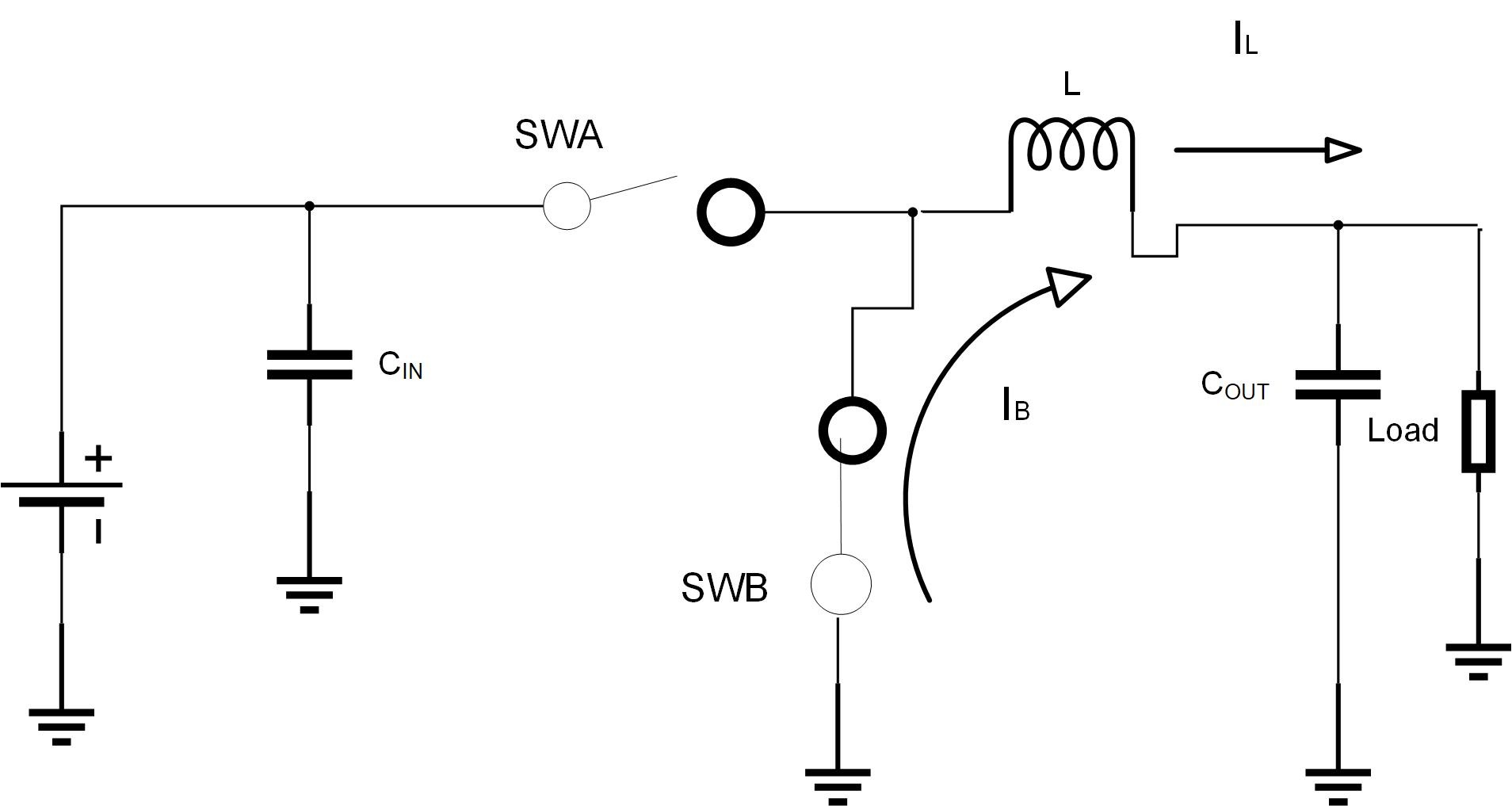
DESIGNING AN OPTIMIZED INPUT FILTER FOR BUCK CONVERTERSARTICLEInput filter design in DC/DC converters has a significant impact on power converter performance, as well as the reliability, electromagnetic interference (EMI), and electromagnetic emissions of the overall system design. This article will discuss how to optimize input filter design for application boards that contain single or multiple DC/DC converters on the same voltage bus. An optimized input ...
-
ARTICLE
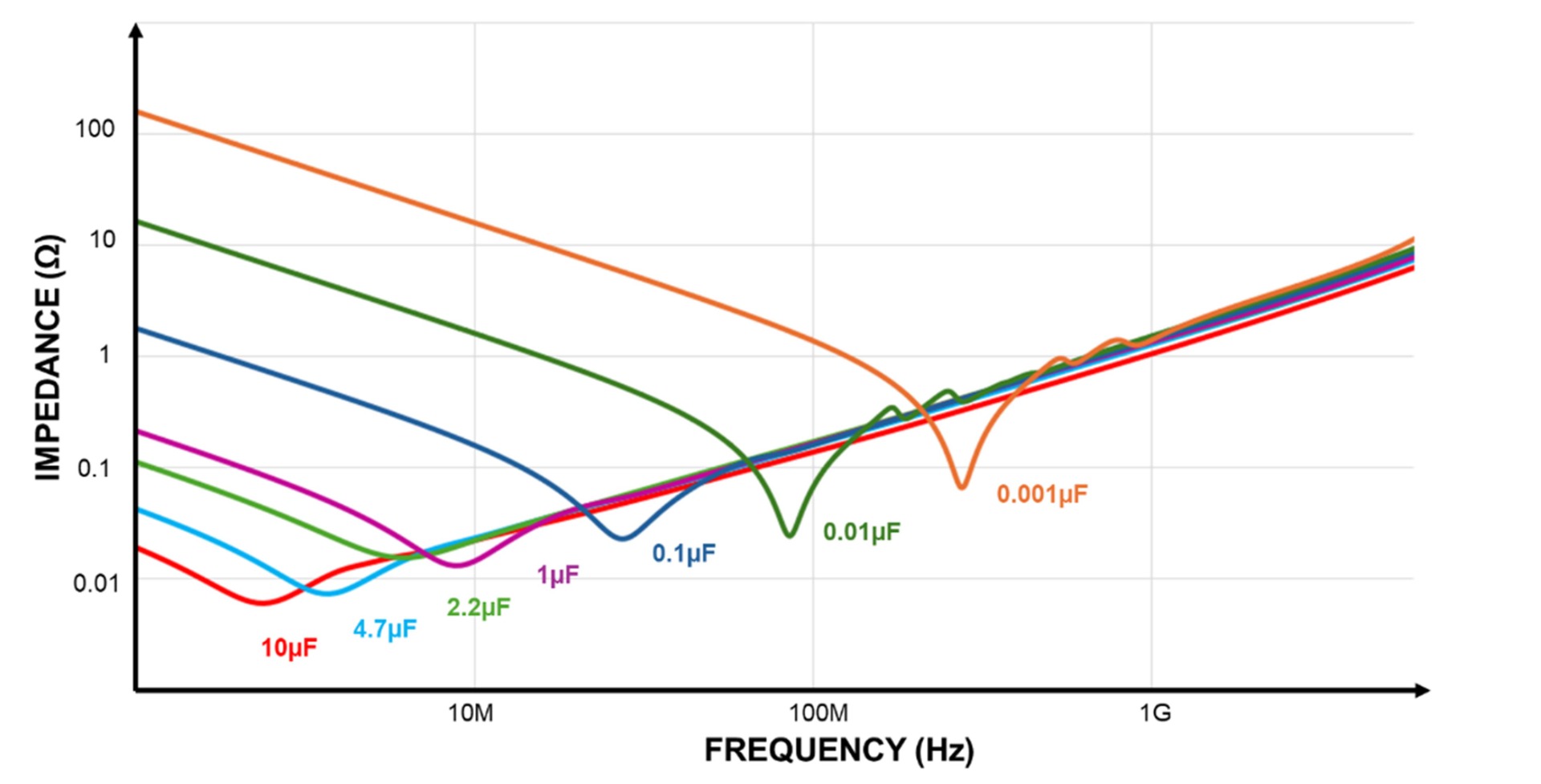
MEETING THE IMPEDANCE MASK: STRATEGIES FOR PDN DESIGN AND OPTIMIZATIONARTICLEIn telecommunication applications, target impedance serves as a crucial benchmark for PDN design. It ensures that the die operates within an acceptable level of rail voltage noise, even under the worst-case transient current scenarios, by defining the maximum allowable PDN impedance for the power rail on the die. This article will focus on the optimization techniques to meet the target impedance ...
-
ARTICLE
OPTIMIZING HOME REMOTE CONTROLS WITH MPS PRODUCTSARTICLEInfrared (IR) and remote frequency (RF) home remote controls are being used in systems such as sound systems, televisions, lighting, and other controls. These systems are becoming increasingly complex with features including voice control, connectivity, LED displays, and capacitive touch. Remote controls should be reliable, easy to use, and have a long battery lifespan. MPS provides cost-effectiv...
-
ARTICLE
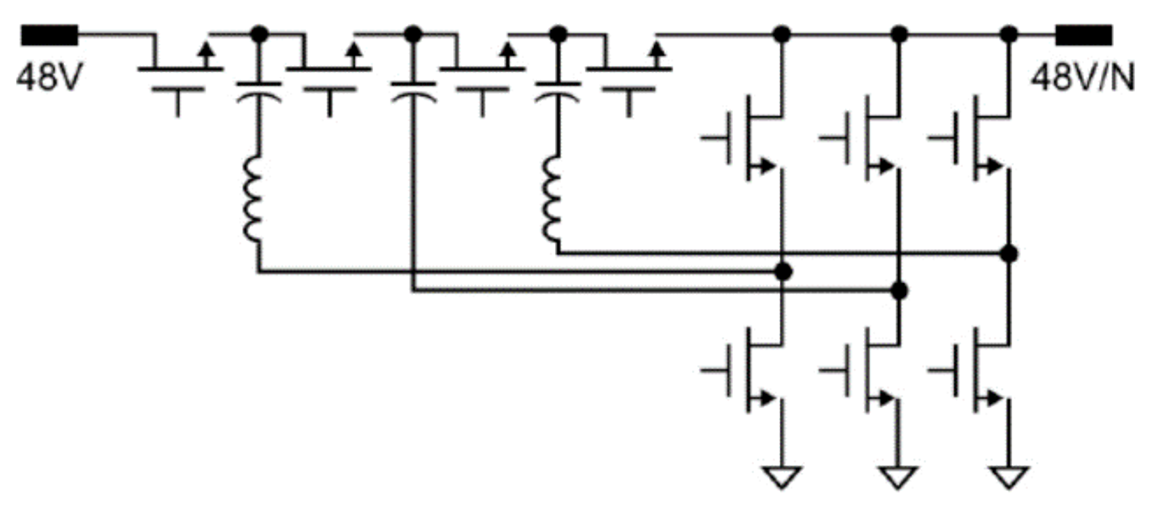
DESIGNING MULTIPLE INDEPENDENT AUXILIARY POWER SUPPLIES WITH MAGNETIC ISOLATIONARTICLEIn a DC/DC converter, the auxiliary power supply of multiple switching devices requires independent isolated power supplies. Taking a full-bridge converter as an example, the high-side and low-side MOSFETs (HS-FETs and LS-FETs, respectively) of the bridge arm require isolated power supplies for the gate driver circuit. The traditional scheme uses a bootstrap circuit to power supply both the upper ...
-
ARTICLE
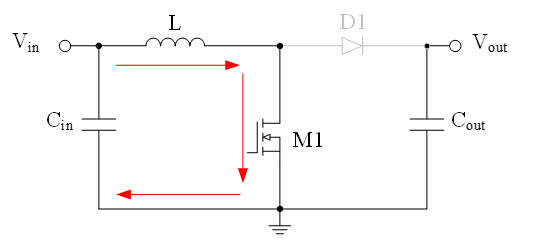
WORKING PRINCIPLES FOR SELECTING A BOOST CONVERTERARTICLEConverter selection is the first step in power supply design that directly impacts stable system operation and performance. Typically, the designer must determine whether a power converter meets the actual load capacity based on the rated current value. For example, selecting a 36V/3A buck converter for a 24V to 5V/2A power rail achieves excellent efficiency, temperature rise, and cost performanc...
-
ARTICLE

HOW TO CALCULATE A BUCK CONVERTER'S INDUCTANCEARTICLEIn the buck circuit, the inductor design is a key element that is closely related to system efficiency, the output voltage ripple (∆VOUT), and loop stability. This article discusses how to calculate the inductance of a buck converter using the MPQ2314 as well as key parameters including the rising current of the inductor temperature, saturation current DC resistance, operating frequency, and magne...
-
ARTICLE

ADVANCING THE SYNCHRONOUS RECTIFIER FOR NEW FLYBACK CONVERTERSARTICLEFlyback topology has dominated low-power AC/DC applications for decades due to its simplicity and robustness across a wide operating range. In recent years, synchronous rectifiers (SRs) have replaced the conventional Schottky diode in flyback-based power supplies to significantly improve efficiency. As the demand for efficiency and power density increases year by year, flyback converters must con...
-
ARTICLE

UNDERSTANDING QUIESCENT CURRENT AND SHUTDOWN CURRENT WITH A BOOST CONVERTERARTICLEFor battery-powered applications, an excellent user experience depends on a long battery life and high-performance terminal devices. Quiescent current (IQ) is an important parameter to consider when optimizing these applications; in particular, an improved IQ increases battery life. This article will describe the difference between a boost converter’s IQ and shutdown current (ISD) to provide a de...
-
ARTICLE

GENERATING AND TESTING POWER RIPPLESARTICLEThe magnitude of power ripples is a common parameter to consider when designing a power supply. As a result, ripples are widely used in testing projects for power engineers. This article will discuss how power ripples are created, and how they can be tested. Note that in this article, “power ripple” specifically refers to the AC component on a power supply’s output, which has a DC voltage. Because...
-
ARTICLE
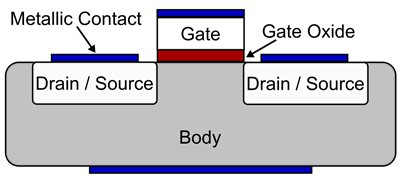
MOSFET SWITCHES: BASICS AND APPLICATIONS IN POWER CONVERTERSARTICLEA metal-oxide-semiconductor field-effect transistor (MOSFET) is an electronic device that falls under the category of field-effect transistors (FETs). These devices act as voltage-controlled current sources, and are mainly used as switches or for the amplification of electrical signals. The MOSFET is controlled by applying certain voltage conditions to the gate. When the MOSFET is turned on, curre...
-
ARTICLE
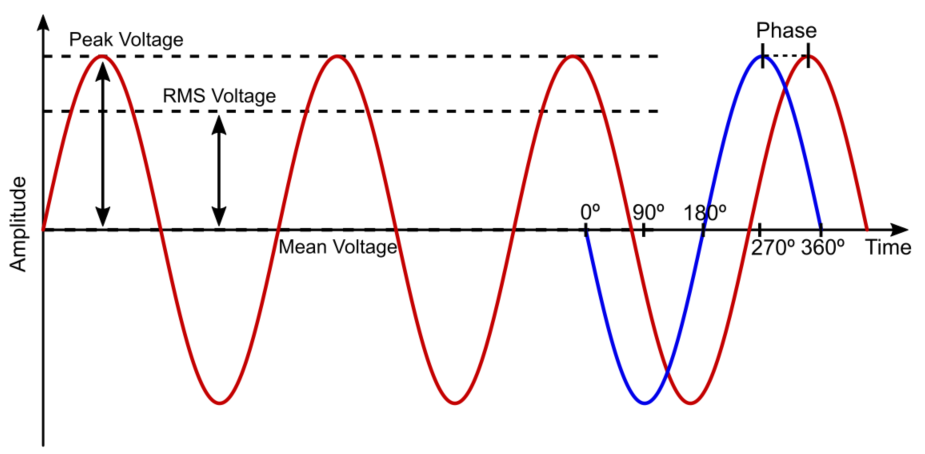
UNDERSTANDING AC/DC POWER SUPPLIESARTICLEA power supply is an electrical device that converts the electric current that comes in from a power source, such as the power mains, to the voltage and current values necessary for powering a load, such as a motor or electronic device. The objective of a power supply is to power the load with the proper voltage and current. The current must be supplied in a controlled manner — and with an ...
-
ARTICLE
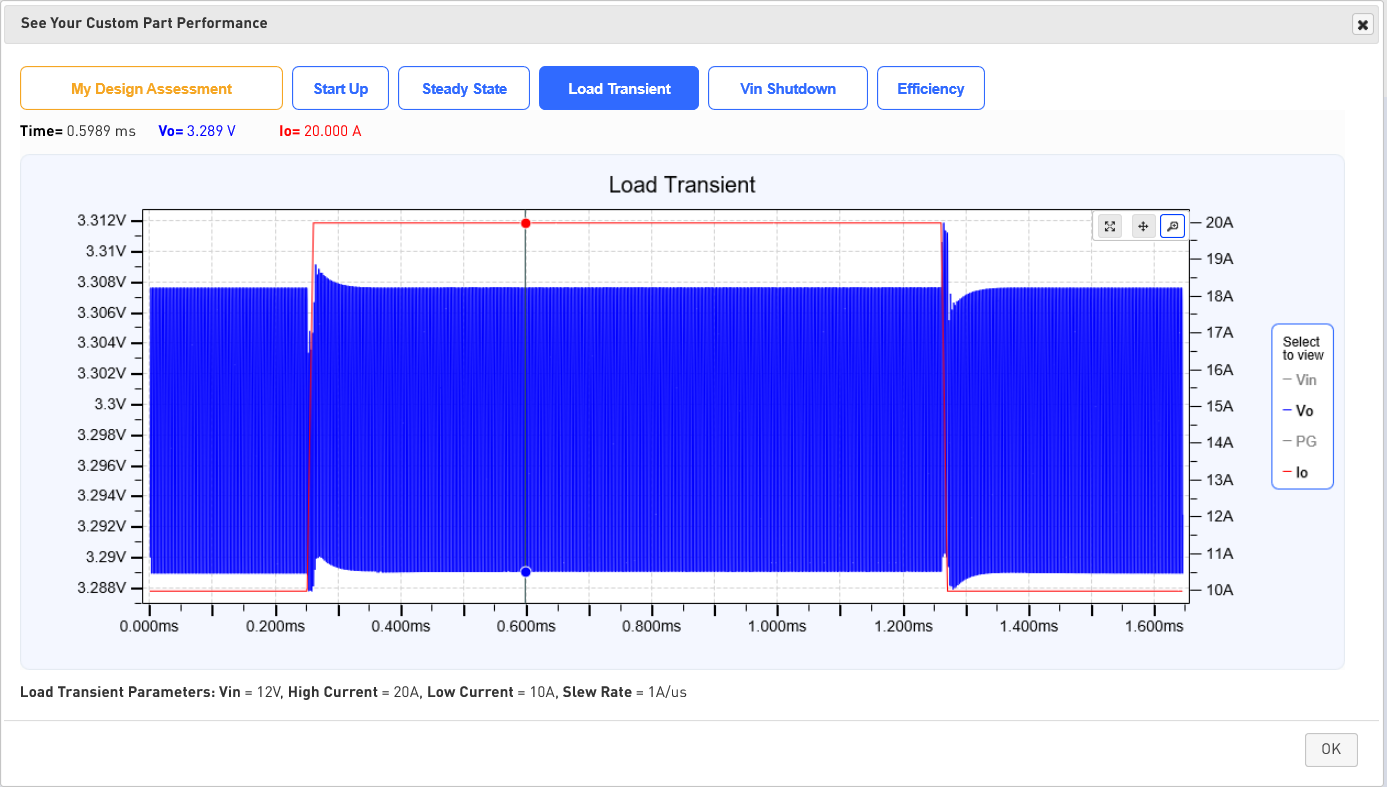
MPS SIMULATION TOOLS TO SPEED UP YOUR DESIGNARTICLEAn unexpected pandemic has disrupted design timelines across the globe. Because design teams must work from home, manufacturers have experienced numerous product delays or even cancellations. MPS simulation tools can help users speed up their design process. By displaying a part’s performance and offering debugging assistance, these tools help users select the right products. These have prov...
Log in to your account
Create New Account