


Load Switches and Supervisors
Session textval
Session Titefor popup
Load Switches and Supervisors Content
-
ARTICLE
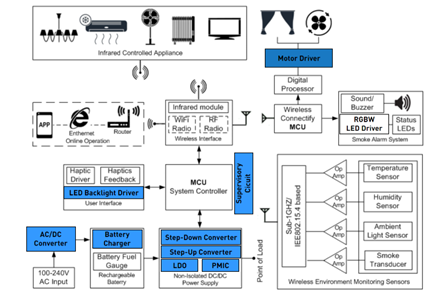
OPTIMIZING HOME REMOTE CONTROLS WITH MPS PRODUCTSARTICLEInfrared (IR) and remote frequency (RF) home remote controls are being used in systems such as sound systems, televisions, lighting, and other controls. These systems are becoming increasingly complex with features including voice control, connectivity, LED displays, and capacitive touch. Remote controls should be reliable, easy to use, and have a long battery lifespan. MPS provides cost-effectiv...
-
USE CASE
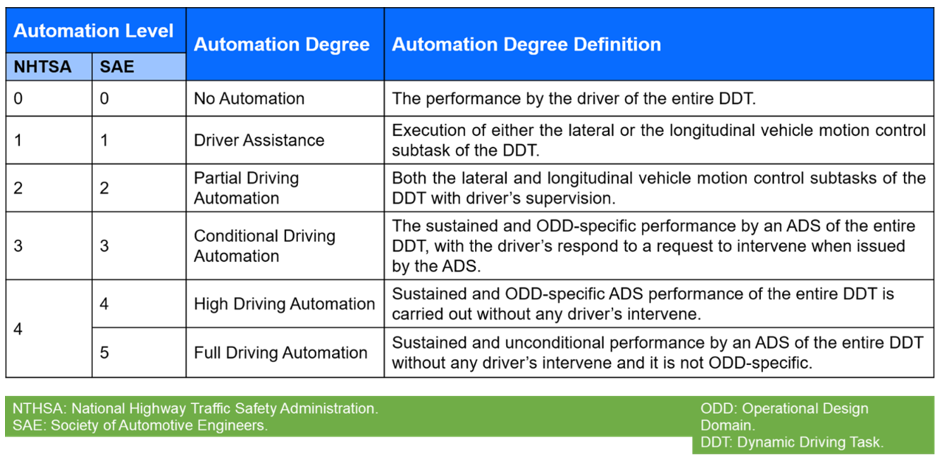
AUTONOMOUS DRIVING USE CASEUSE CASEBetween 2004 and 2007, autonomous driving was launched in the United States with three unmanned driving challenges. As autonomous driving now enters the era of industrialization, it is important to address common challenges and boost performance across complex systems. This use case examines the application of the MPQ2967-AEC1, MPQ86960, MPQ79500FS-AEC1, and MPQ79700FS-AEC1 in autonomous driving. ...
-
ARTICLE
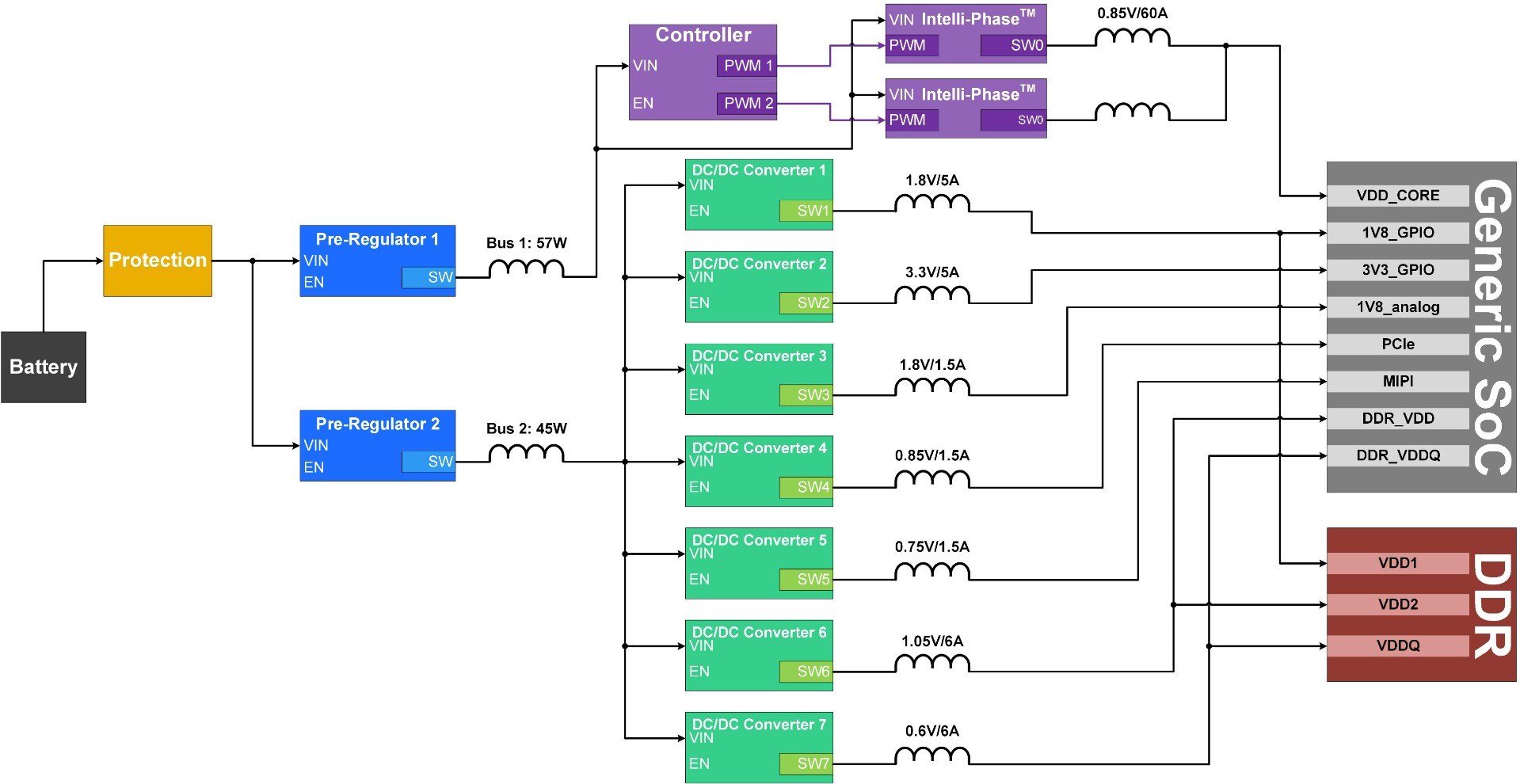
DESIGNING A POWER TREE FOR AN AUTOMOTIVE SOCARTICLEAdvanced driver assistance systems (ADAS) and infotainment system-on-chips (SoCs) are offering increasingly higher computing power, which in turn results in higher power demands. An SoC can require more than 10 different power rails, with currents ranging from hundreds of amperes (A) to a few mA. Crafting an optimal power tree for these applications is not a trivial task. This article will discuss...
-
ARTICLE

DESIGNING A REVERSE POLARITY PROTECTION CIRCUIT (PART I)ARTICLEAutomotive power systems operate under exceptionally harsh conditions. In particular, the car battery must handle numerous loads, and it can be challenging to determine the state of these loads simultaneously. Designers must consider the possible impact of the various pulses generated by the power line when these loads are under different operating conditions and potential fault states. This is P...
-
ARTICLE
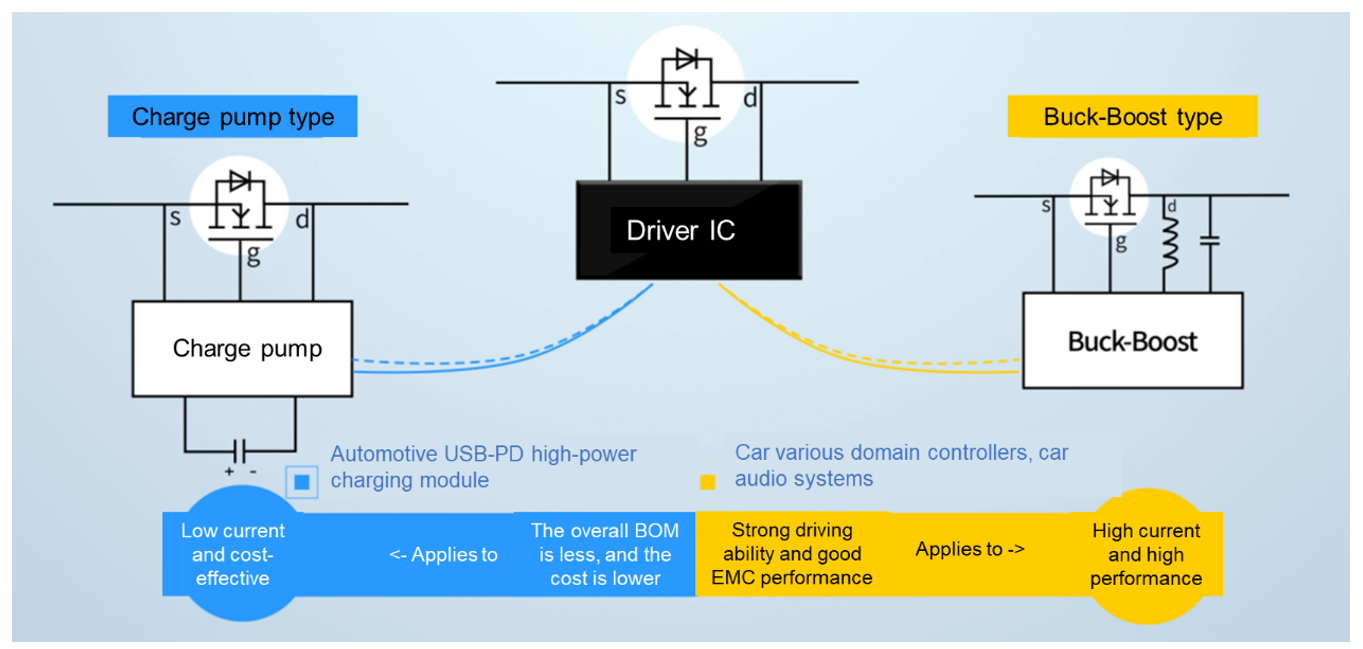
DESIGNING A REVERSE POLARITY PROTECTION CIRCUIT (PART II)ARTICLEThis is Part II of a two-part series on designing a reverse polarity protection circuit. Part I covered the various pulse interferences that necessitate the reverse polarity protection function in automotive electronic products, and reviewed the features of a reverse polarity protection circuit with a P-channel MOSFET. Part II will discuss a reverse polarity protection circuit with an N-channel MO...
-
ARTICLE
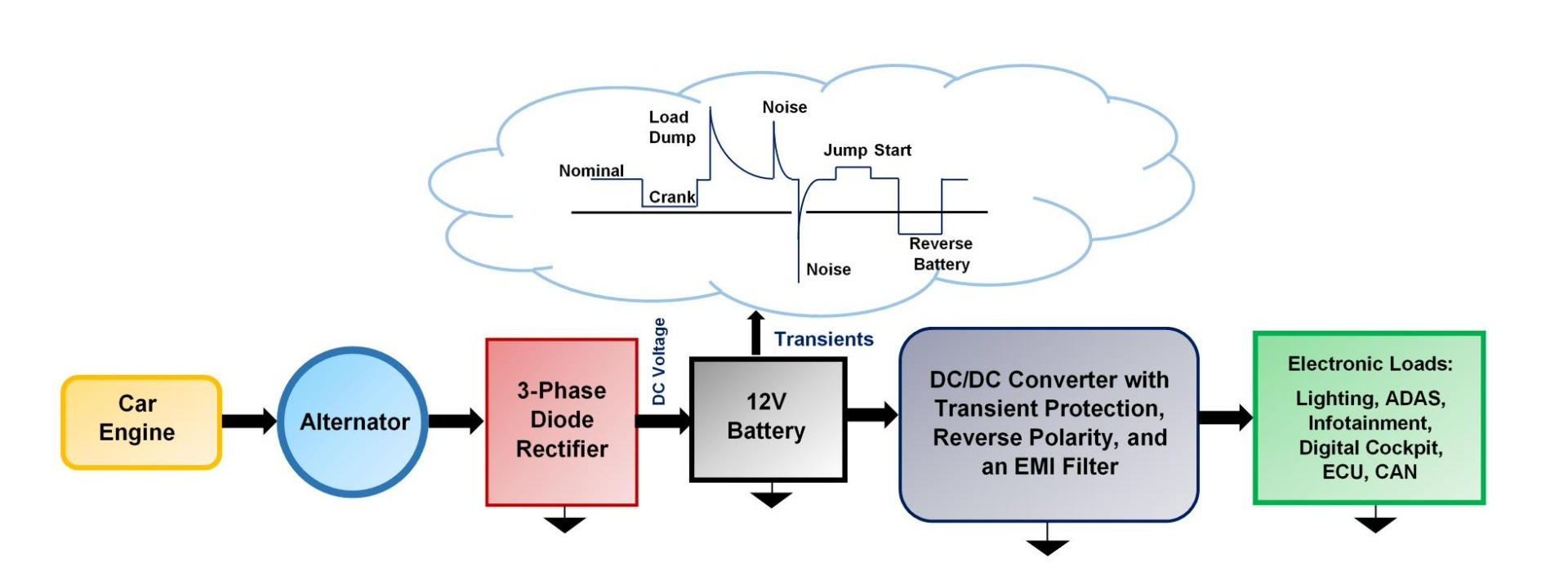
FROM COLD CRANK TO LOAD DUMP: A PRIMER ON AUTOMOTIVE TRANSIENTSARTICLEAdvances in automotive technology have dramatically increased the number of sophisticated electronic circuits required to improve driving experience and safety in a typical automotive system. New vehicles provide infotainment systems with high-resolution displays, an enhanced user interface, and numerous connectivity options. Improved safety features include LiDAR for collision avoidance, as well ...
Log in to your account
Create New Account