



- MDC92004
MDC92004
Session textval
Session Titefor popup
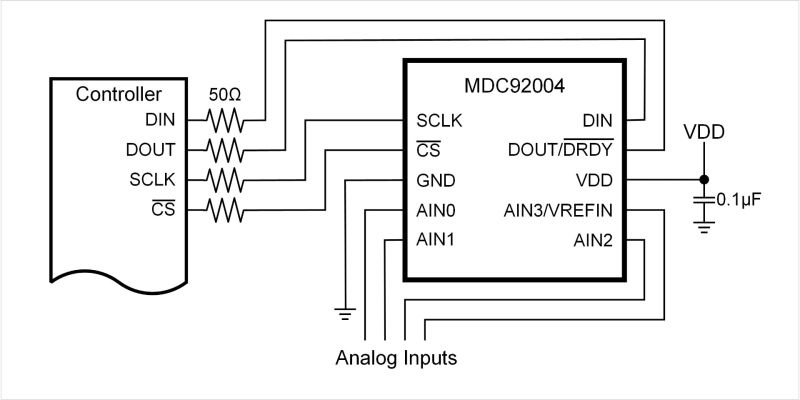
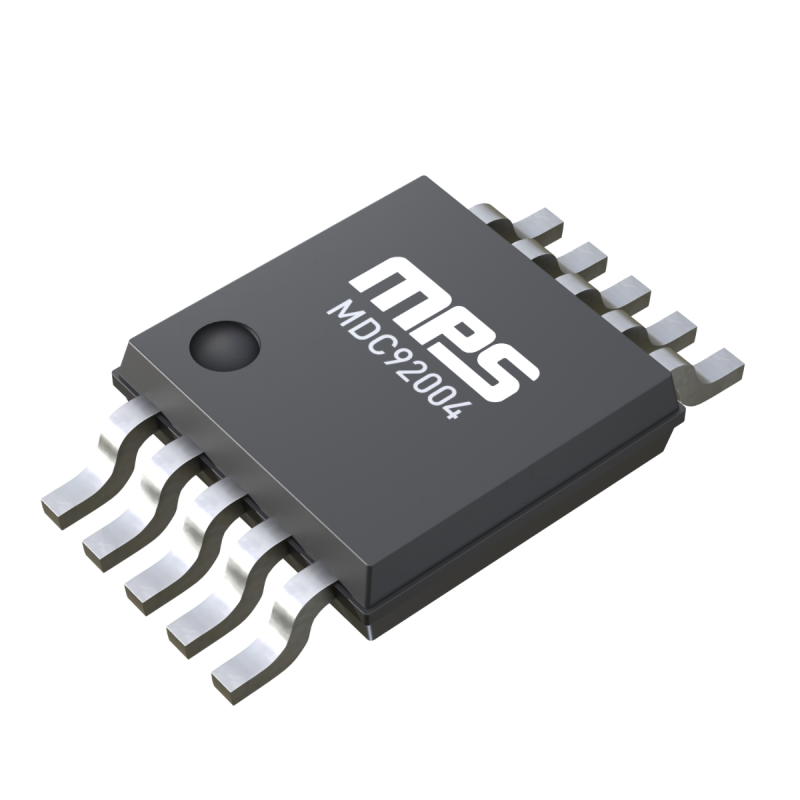
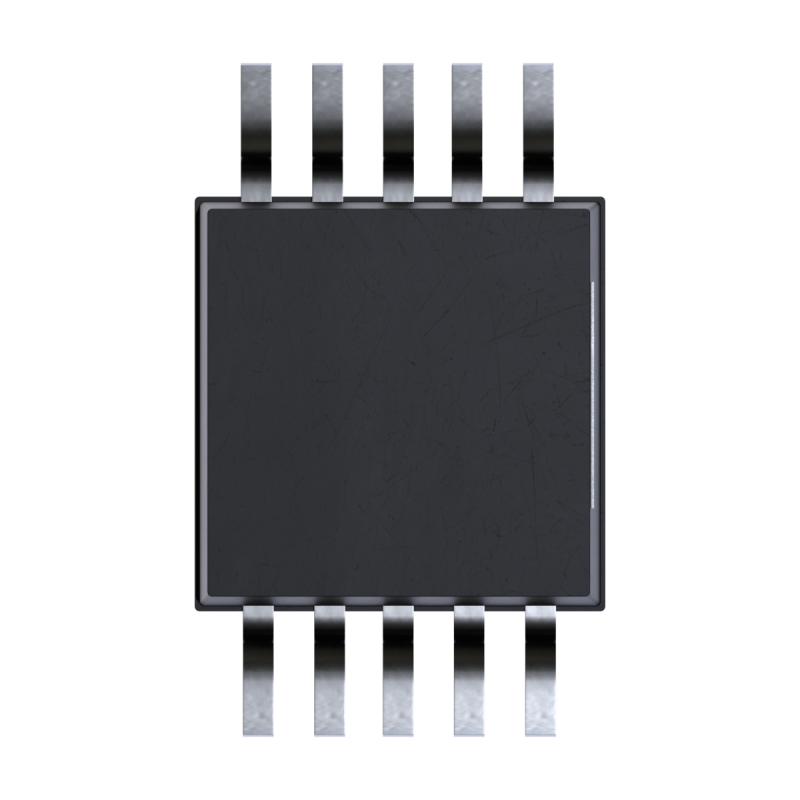
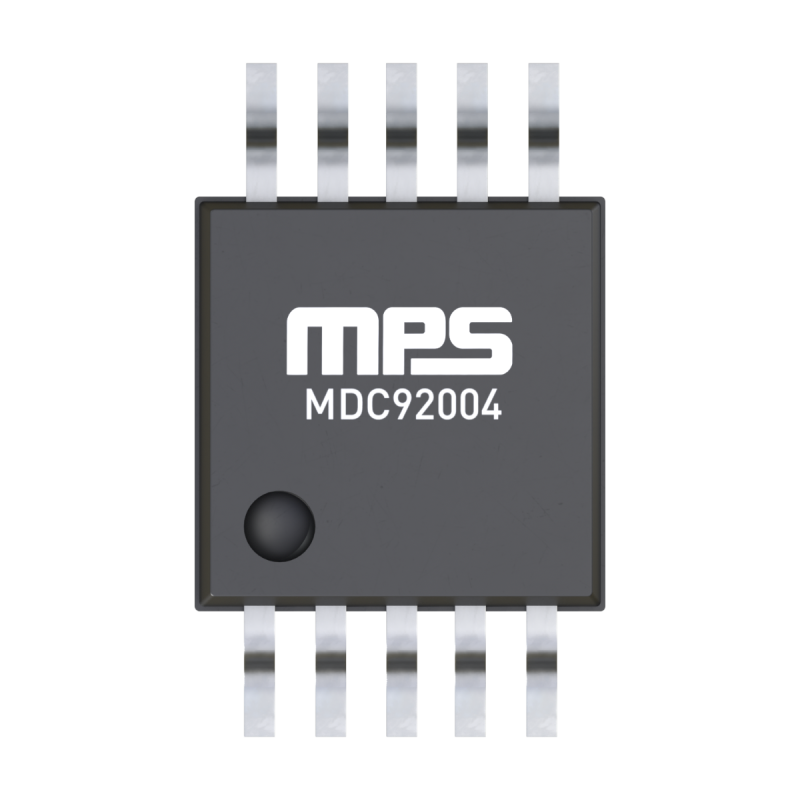
- Channels4
- Resolution (bits)16
- Sample Rate (ksps)1
- Input Range±64mV to ±6.144V
- Noise (ppm of FS, RMS)15
- VDD (V)2.7 to 5.5
- InterfaceSPI
- Operating Temperature (°C)-40 to +125
- Package (mm)MSOP-10
- Sample Rate (Msps)1
- ArchitectureDelta-Sigma
- Input TypeSingle-Ended or Differential
- Data InterfaceSPI
The MDC92004 is a 4-channel, 16-bit, high-precision, low-power, delta-sigma analog-to-digital converter (ΔΣ ADC) that is serial peripheral interface (SPI) compatible. The device can convert up to 1000 samples per second (1ksps). It includes a programmable gain amplifier (PGA), low-drift voltage reference, and oscillator.
While the analog input range is GND to VDD, the PGA provides a full-scale range from ±64mV to ±6.144V. An input multiplexer (mux) supports two differential or four single-ended inputs.
The MDC92004 can operate in continuous conversion mode or single-shot mode. In single-shot mode, the ADC automatically shuts down after a single conversion, reducing power consumption during idle periods.
The MDC92004 has an operating temperature range of -40°C to +125°C, and is available in an MSOP-10 package.
-
Show more
Show less

Features & Benefits
- 6.25sps to 1ksps Configurable Sample Rate
- Single-Cycle Settling
- 4 Single-Ended Inputs or 2 Differential Inputs
- Internal Programmable Gain Amplifier (PGA)
- ±64mV to ±6.144V Full-Scale Input Ranges
- Low-Drift Internal Voltage Reference
- Internal Oscillator
- Serial Peripheral Interface (SPI) Compatible
- 2.7V to 5.5V Supply Range
- 150μA Current Consumption in Continuous Conversion Mode
- -40°C to +125°C Operating Temperature Range
- Available in an MSOP-10 Package
Active Part Numbers:
MDC92004GK-Z MDC92004GK-P
Part numbers ending in P and Z are the same parts. P and Z only indicates reel size.
Meaning of P & Z
MDC92004 Resources
-
PRODUCT CATEGORY
DELTA-SIGMA ADCSPRODUCT CATEGORY -
PRODUCT CATEGORY
DATA CONVERTERSPRODUCT CATEGORY -
APPLICATION
PROGRAMMABLE LOGIC CONTROLLER (PLC)APPLICATION -
ARTICLE
WHY STANDALONE ADCS STILL MATTER: PRECISION, FLEXIBILITY, AND SIMPLICITY IN MODERN EMBEDDED SYSTEMSARTICLEIn a world where microcontrollers (MCUs) often come equipped with integrated analog-to-digital converters (ADCs), it may seem like the need for standalone ADCs is fading. But for system designers working on industrial, instrumentation, and embedded applications, standalone ADCs remain an essential building block by offering advantages in performance, layout flexibility, and design simplicity that ...
-
PRODUCT
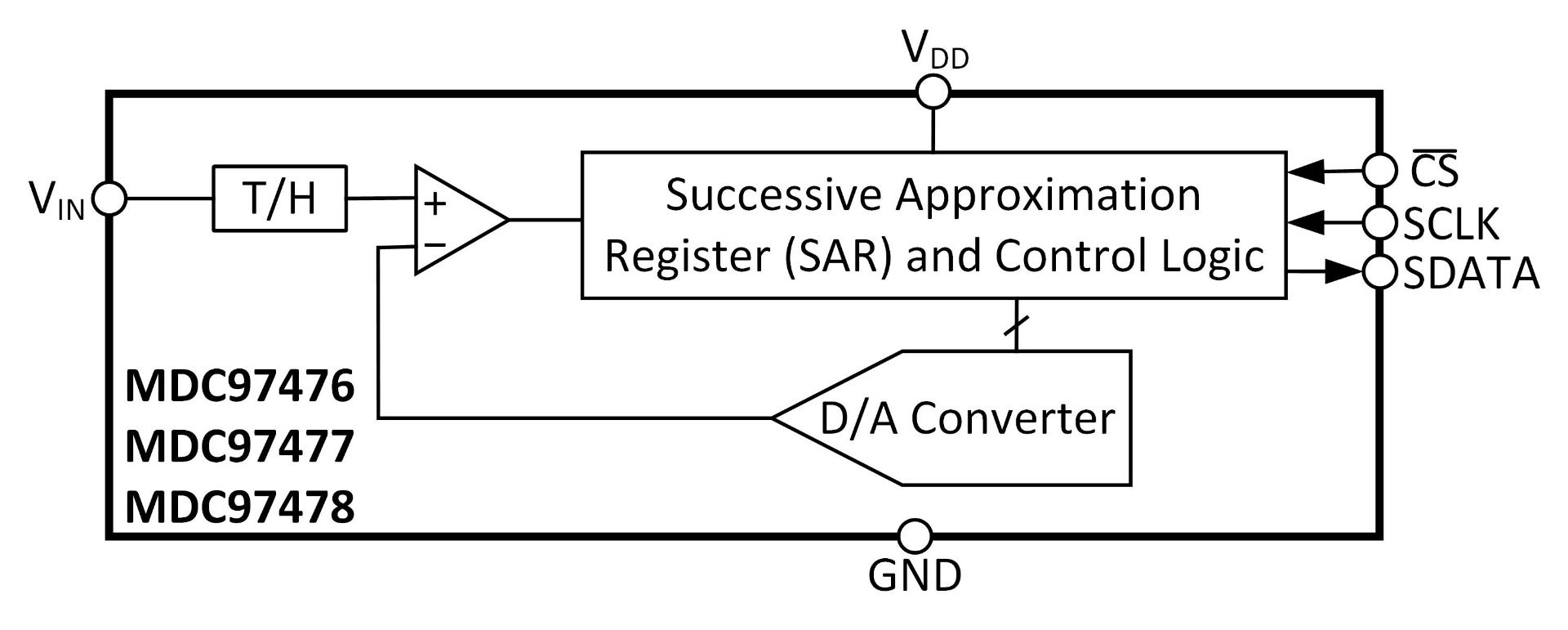
MDC97477PRODUCT1Msps, 10-Bit ADC in 6-Lead TSOT-23-6 Package
-
PRODUCT
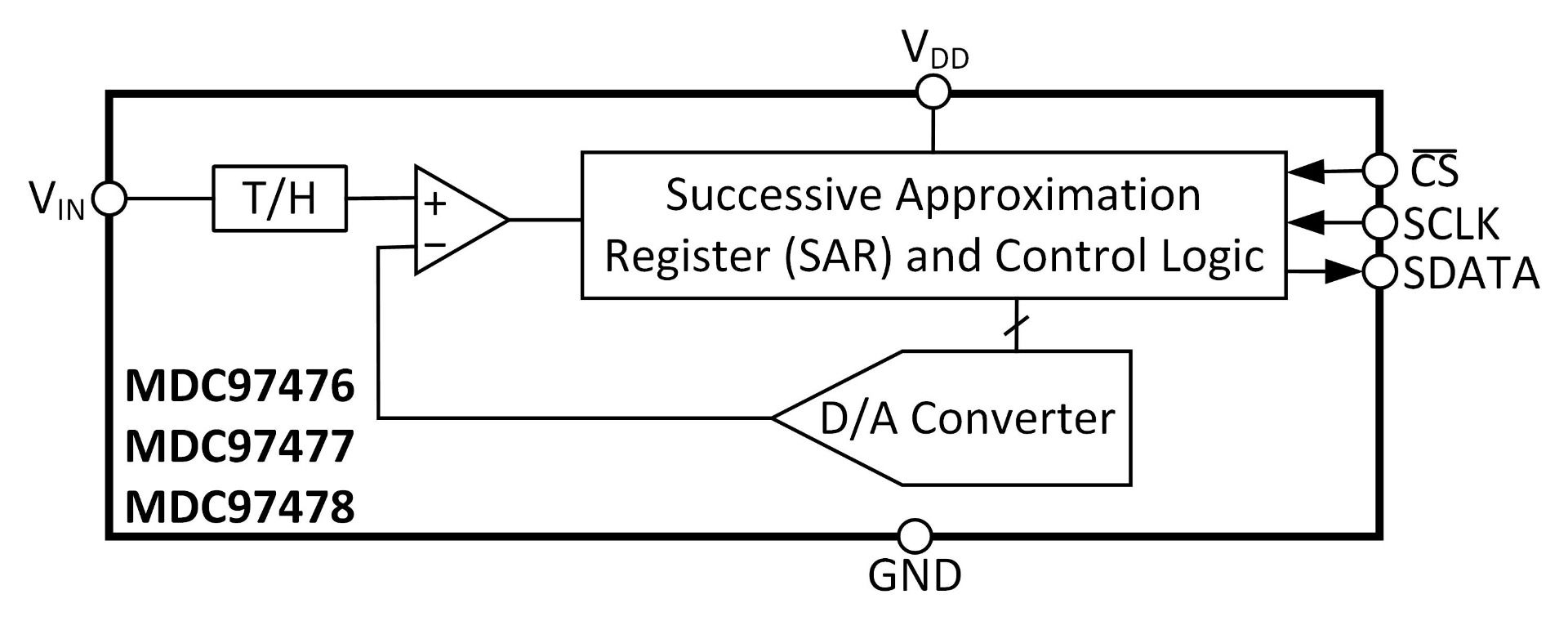
MDC97476PRODUCT1Msps, 72dB SNR, 12-Bit ADC in 6-Lead TSOT-23-6 Package
-
PRODUCT
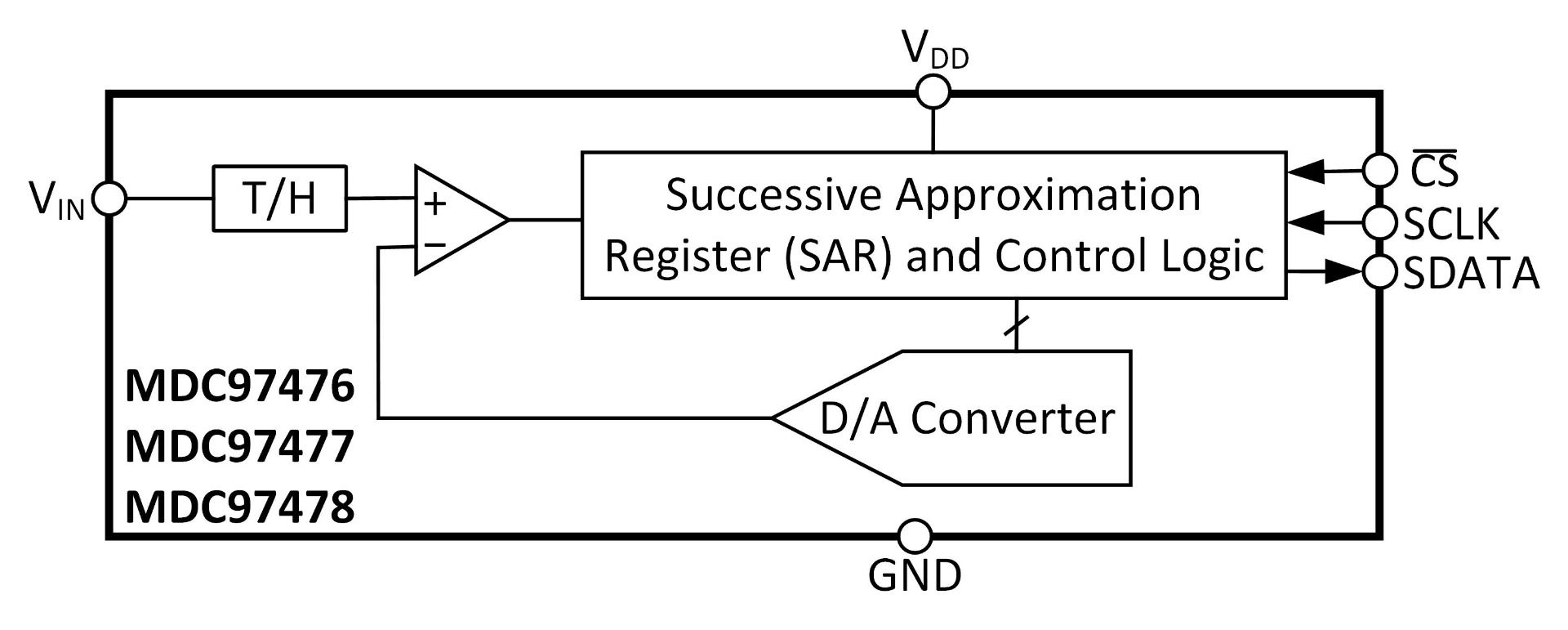
MDC97478PRODUCT1Msps, 8-Bit ADC in 6-Lead TSOT-23-6 Package
-
ARTICLE
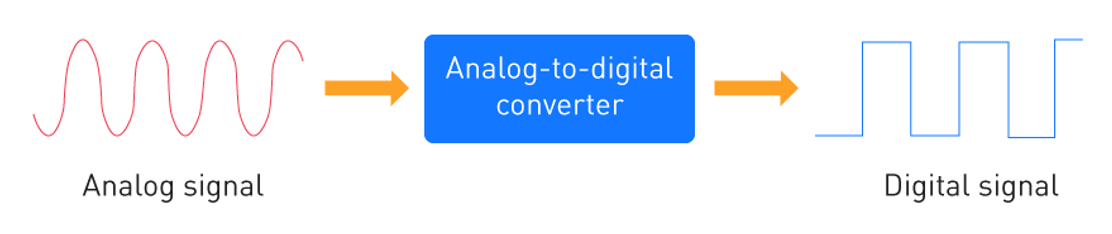
A COMPREHENSIVE GUIDE TO ANALOG-TO-DIGITAL CONVERTERS (ADCS)ARTICLEThe Analog-to-Digital Converter (ADC), a crucial element in the field of electronics, provides a link between the analog world of continuously changing signals and the digital world of 0s and 1s. ADCs play a crucial role in modern technology by transforming actual analog signals from the real world into digital data that computers and digital systems can comprehend and handle. Although our world i...
-
MPSCHOLAR

NOVEL ADC ARCHITECTURES AND DESIGNSMPSCHOLARADCs, or analog-to-digital converters, are an essential component of contemporary electronic systems. Higher performance and new features are increasingly desired in a wide range of applications, including those in communications, biomedicine, the automotive industry, and Internet of Things (IoT) devices. These requirements frequently require ADCs to have enhanced durability, lower power consumpti...
-
MPSCHOLAR
IMPACT OF TECHNOLOGY SCALING ON ADCSMPSCHOLAROver the past few decades, the development of electronics has been driven by technology scaling, which is frequently exemplified by Moore's Law. Gordon Moore presented Moore's Law in 1965, and it stated that the number of transistors on an integrated circuit will roughly double every two years. For many years, this prognosis proved surprisingly accurate, and as a result, it ceased to be just a pre...
-
MPSCHOLAR

ADCS FOR IOT APPLICATIONSMPSCHOLAR"IoT," which stands for the Internet of Things, denotes a system comprising tangible entities or "things" that are equipped with sensors, software, and other advancements designed to establish connections and share information with other devices and networks via the Internet. These entities encompass a spectrum of items, spanning from typical domestic articles such as refrigerators and lighting sy...
-
MPSCHOLAR
FUTURE TRENDS AND CHALLENGES IN ADCSMPSCHOLAR -
MPSCHOLAR

IMPLEMENTATION OF A SAR ADC IN A BATTERY-POWERED DEVICEMPSCHOLAROur daily lives are now dominated by battery-powered gadgets, from smartphones and wearable tech to distant sensors and medical implants. Despite technological progress, developing battery-powered gadgets still poses a number of difficulties: Energy Constraints: The amount of power the gadget can use is limited by the battery capacity. Designers must weigh the trade-offs between performance and e...
-
MPSCHOLAR

USE OF A HIGH-RESOLUTION DELTA-SIGMA ADC IN A PRECISION MEASUREMENT APPLICATIONMPSCHOLARIt is critical to analyze the technical requirements for the precision measurement application before selecting an ADC. Signal Frequency Range: The frequency range of interest will differ from one application to the next. Resolution Requirements: The resolution requirements might range from high to very high depending on the application. Noise Sensitivity: Accuracy is vital, therefore noise sen...
-
MPSCHOLAR
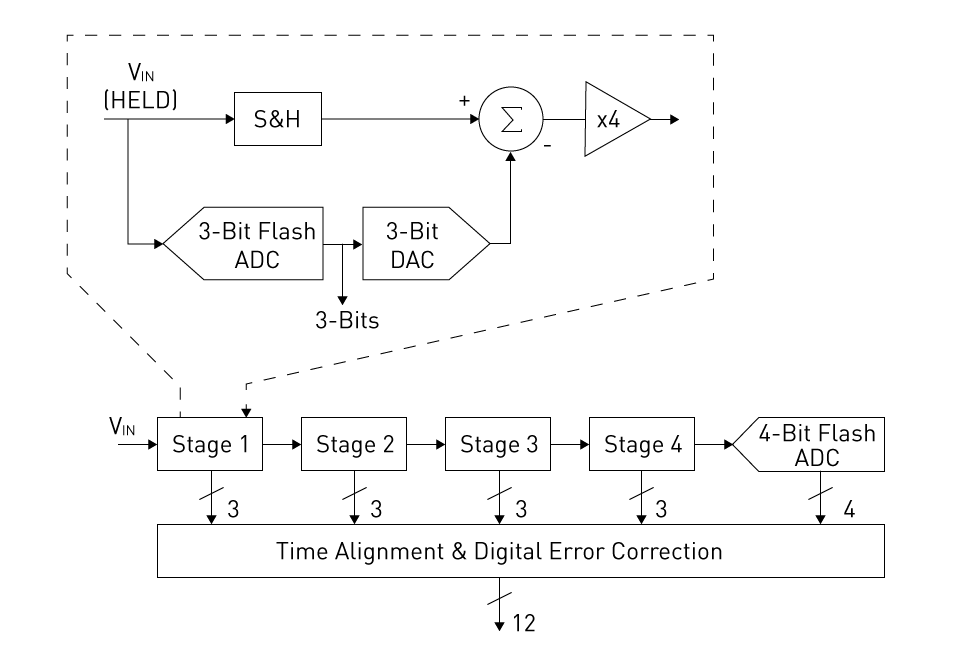
DESIGN OF A PIPELINE ADC FOR A DIGITAL COMMUNICATION APPLICATIONMPSCHOLARBased on the needs of the application, the choice of the type of ADC and its design is made. Typical requirements for an application can include: Data Rate Requirements: The data rates needed by the application must be supported by the ADC. High data rates are necessary for high-speed applications like digital communications. Accuracy and precision: ADCs with high resolution are necessary for...
-
MPSCHOLAR
CASE STUDIES IN ADC DESIGN AND APPLICATIONSMPSCHOLAR -
MPSCHOLAR
HYBRID ADCSMPSCHOLARA hybrid ADC (Analog-to-Digital Converter) is an innovative category of ADC that amalgamates features from diverse ADC architectures to attain enhanced performance, efficiency, or functionality. The core intention behind this amalgamation is to harness the distinct advantages of various ADC architectures while concurrently mitigating their inherent limitations. The modus operandi of hybrid ADC ce...
-
MPSCHOLAR
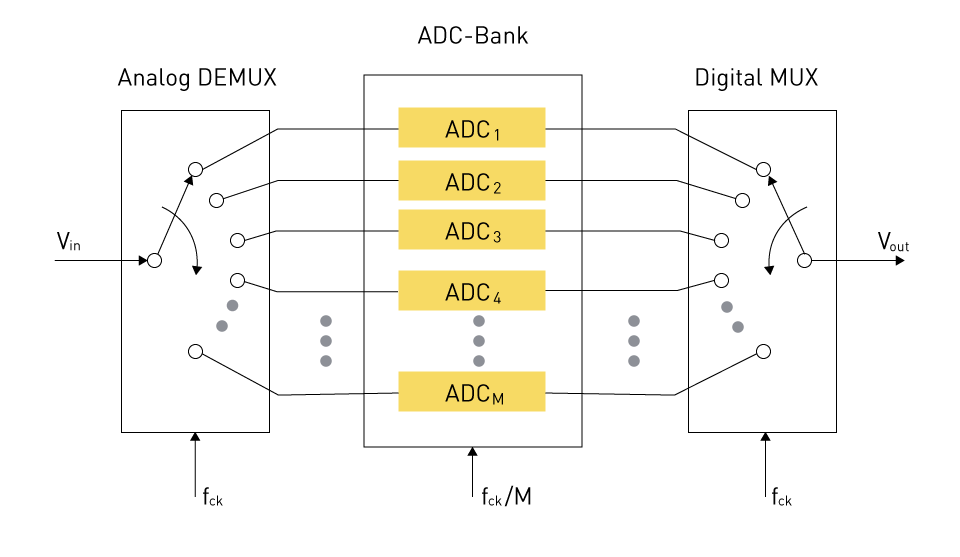
TIME-INTERLEAVED ADCS FOR HIGH-SPEED APPLICATIONSMPSCHOLARTime-interleaved Analog-to-Digital Converters (ADCs) represent a specialized variant of ADC technology that emerged to cater to the escalating demand for augmented sampling rates. These heightened sampling rates equate to expanded input bandwidth, thereby facilitating applications that encompass multi-band wireless systems, radar systems characterized by heightened spatial resolution, and measurem...
-
MPSCHOLAR
HIGH-RESOLUTION ADCS FOR PRECISION MEASUREMENTSMPSCHOLARADCs (Analog-to-Digital Converters) with high resolution are essential in applications that need a high level of accuracy and precision. The idea and importance of high-resolution ADCs in precise measurements are introduced in this section. High-Resolution Analog-to-Digital Converters (ADCs) are distinguished by their capacity to convert analog signals into digital formats with remarkable preci...
-
MPSCHOLAR
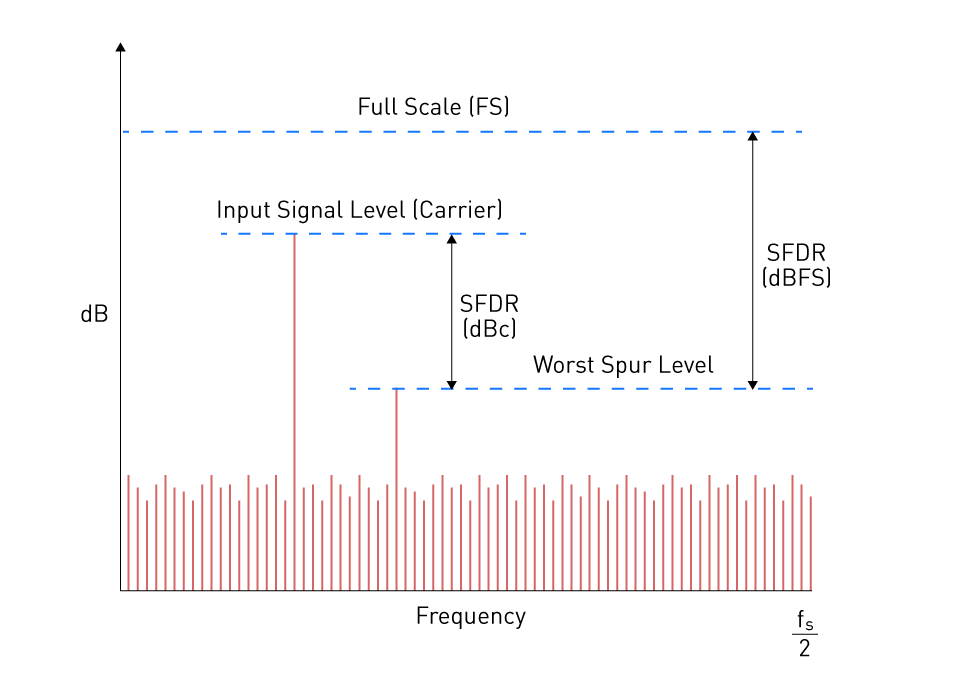
HIGH-SPEED ADCS FOR BROADBAND COMMUNICATIONS AND SOFTWARE DEFINED RADIOSMPSCHOLARHigh-Speed ADCs, also known as High-Speed Analog-to-Digital Converters, are specialized ADCs crafted to function at extremely fast sampling rates. Although the idea of "high-speed" can be relative and may change over time, as of now, it generally pertains to ADCs with sampling rates between several hundred megasamples per second (Msps) and several gigasamples per second (Gsps). High-Spe...
-
MPSCHOLAR
ADVANCED TOPICS IN ADCSMPSCHOLAR -
MPSCHOLAR
ADCS IN AUDIO AND VIDEO APPLICATIONSMPSCHOLARThe topic of audio and video applications spans a wide range of technologies, from high-end studio gear to consumer electronics like smartphones and cameras. Any audio or video system that uses digital processing must have an Analog-to-Digital Converter (ADC) at its core. The crucial task of transforming analog audio and video signals into digital ones so they may be processed, stored, or transmit...
-
MPSCHOLAR

ADCS IN COMMUNICATIONSMPSCHOLARCommunication systems lie at the core of the contemporary information era, facilitating the exchange of data using various channels such as radio waves, wired cables, and optical fibers. Analog-to-digital converters (ADCs) assume an essential function within modern communication systems. Whether it's within the realm of cellular phones, Wi-Fi routers, Ethernet networks, or optical communicati...
-
MPSCHOLAR

ADCS IN TEST AND MEASUREMENT EQUIPMENTMPSCHOLARAnalog-to-digital converters (ADCs) play a pivotal role in the realm of modern test and measurement equipment. Given that a majority of real-world signals exist in analog form, the conversion of these analog signals into digital format becomes an indispensable step for subsequent processing, analysis, and storage. Test and measurement equipment finds extensive use across various industries, servin...
-
MPSCHOLAR

ADCS IN INDUSTRIAL CONTROL AND MEDICAL SYSTEMSMPSCHOLARIndustrial control systems rely heavily on analog-to-digital converters (ADCs). The monitoring, control, and optimization of industrial processes, which frequently include a wide range of physical variables including temperature, pressure, flow rates, and humidity are common tasks for these systems. These physical parameters are analog by nature. These analog impulses are converted into digital da...





Log in to your account
Create New Account