


AI-Powered Robotics Need Advanced SoC Power Solutions
Product Marketing Manager
DOWNLOAD PDF


Get valuable resources straight to your inbox - sent out once per month
We value your privacy
Introduction
The robotics industry is undergoing a major transformation driven by advancements in artificial intelligence (AI), machine learning, and real-time data processing. Today, AI-powered robots are transforming the future of robotics by making systems smarter, more adaptive, and more autonomous. Autonomous robots that were once a topic of futuristic writing are heading for mass production today.
Humanoid robots are rapidly transitioning from conceptual prototypes to practical tools across various industries, driven by advancements in AI, robotics, and substantial investments from major technology companies. This evolution is reshaping sectors such as healthcare, manufacturing, and personal assistance, positioning humanoid robots as integral components of the future workforce.
According to a Goldmann Sachs report, the global market for humanoid robots could reach at least $38 billion by 2035. (1) According to a Report by Market Research Future, the Europe humanoid robots market size was estimated at $100 million in 2023. (2) The Europe humanoid robots market industry is expected to grow from $151.2 million in 2024 to $8 billion by 2035. (2) In addition, this market’s growth rate (CAGR) is expected to be about 44% during the forecast period from 2025 to 2035. (1)
The surge in AI robots is propelled by advancements in AI due to increasing demands in healthcare, manufacturing, and supportive government policies. (2) (1) Humanoids are anticipated to fill 4% of the U.S. manufacturing labor shortage by 2030, addressing the tasks that are dangerous, dirty, or dull. By 2030, these robots could meet 2% of the global elderly care demand, helping in environments facing caregiver shortages. (1) In sectors like mining, disaster response, and chemical manufacturing, humanoid robots could undertake 5% to 15% of hazardous jobs, enhancing safety and efficiency. (3) By 2050, 63 million humanoid robots could be used in the US alone. Countries like Japan emphasize caregiving robots for its aging population, while China scales production for industrial automation. (4)
Market Growth and Adoption
The integration of humanoid robots into various industries is driven by technological advancements and the need to address labor shortages. Companies are designing humanoid robots that are intended to push the boundaries of automation in both industrial and personal care sectors.
As humanoid robots are poised to play a significant role in addressing labor shortages and enhancing efficiency across various industries, with substantial market growth anticipated in the coming years, their power demands will also increase.
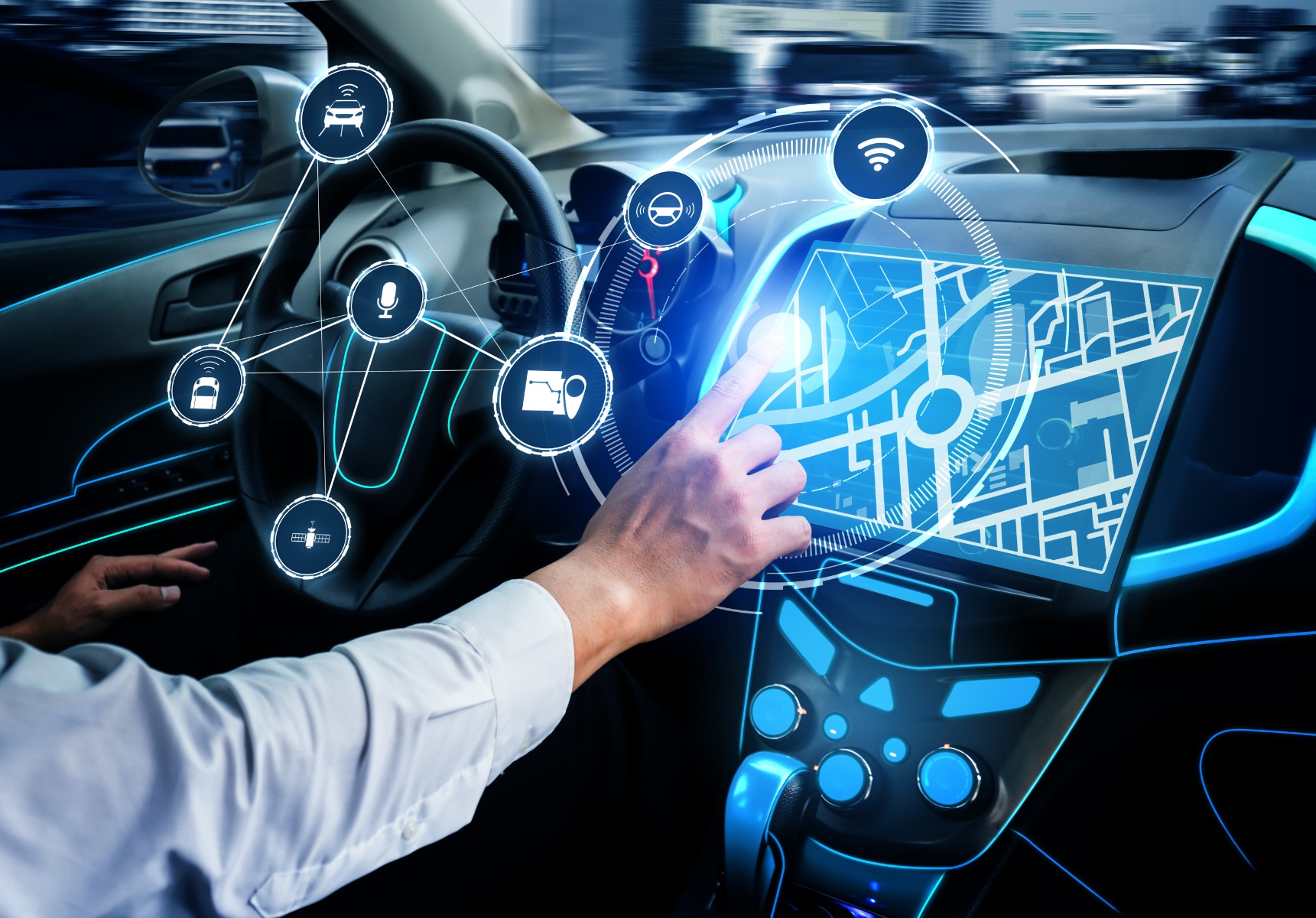



The AI Hardware Revolution
AI hardware platforms provide high-performance, energy-efficient computing that is essential for real-time perception, motion planning, and decision-making in humanoid robots. These devices can deliver up to 275 trillion operations per second (TOPS), enabling advanced AI tasks including vision, speech, and sensor fusion, which are critical for humanoid robots. (5)
Other new architectures can deliver up to 20 peta floating operations per second (PFLOPS) of AI performance and handle 1.4 trillion parameters.
In addition, vision processing units (VPUs) can be specialized, low-power AI processors designed for deep learning inference and computer vision at the edge. (6) These VPUs facilitate real-time object detection, facial recognition, depth sensing, and spatial awareness.
New Solutions to Meet Humanoid System-on-Chip (SoC) Power Needs
Sophisticated architectures demand advanced core power solutions to support their high computing density and real-time processing. These systems require multi-phase voltage regulation, dynamic power scaling, and low-noise, high-efficiency power delivery to maintain performance stability. As AI workloads in humanoid robots become more intensive, power architectures must ensure thermal efficiency, fast current response, and seamless integration with AI accelerators to avoid bottlenecks or overheating.
The core computing unit is the heart of the system, as it executes the computing and determines what specialized solutions are required for power rails. High-power core rails have stringent specifications to provide the power needed by the CPUs, GPUs, and accelerators embedded into the system-on-chip (SoC). This article will focus on power solutions for the SoC core rails.
Traditional solutions for SoC core rails use analog pulse-width modulation (PWM) controllers, discrete MOSFETs, and discrete current- and temperature-sensing circuitry (see Figure 1). These solutions require many external components, which raises costs, reduces reliability for some applications, and requires a larger PCB area. This can make traditional solutions difficult to design and susceptible to a lack of flexibility and scalability, which is a critical requirement for the types of SoCs used in high-performance computing (HPC) applications.
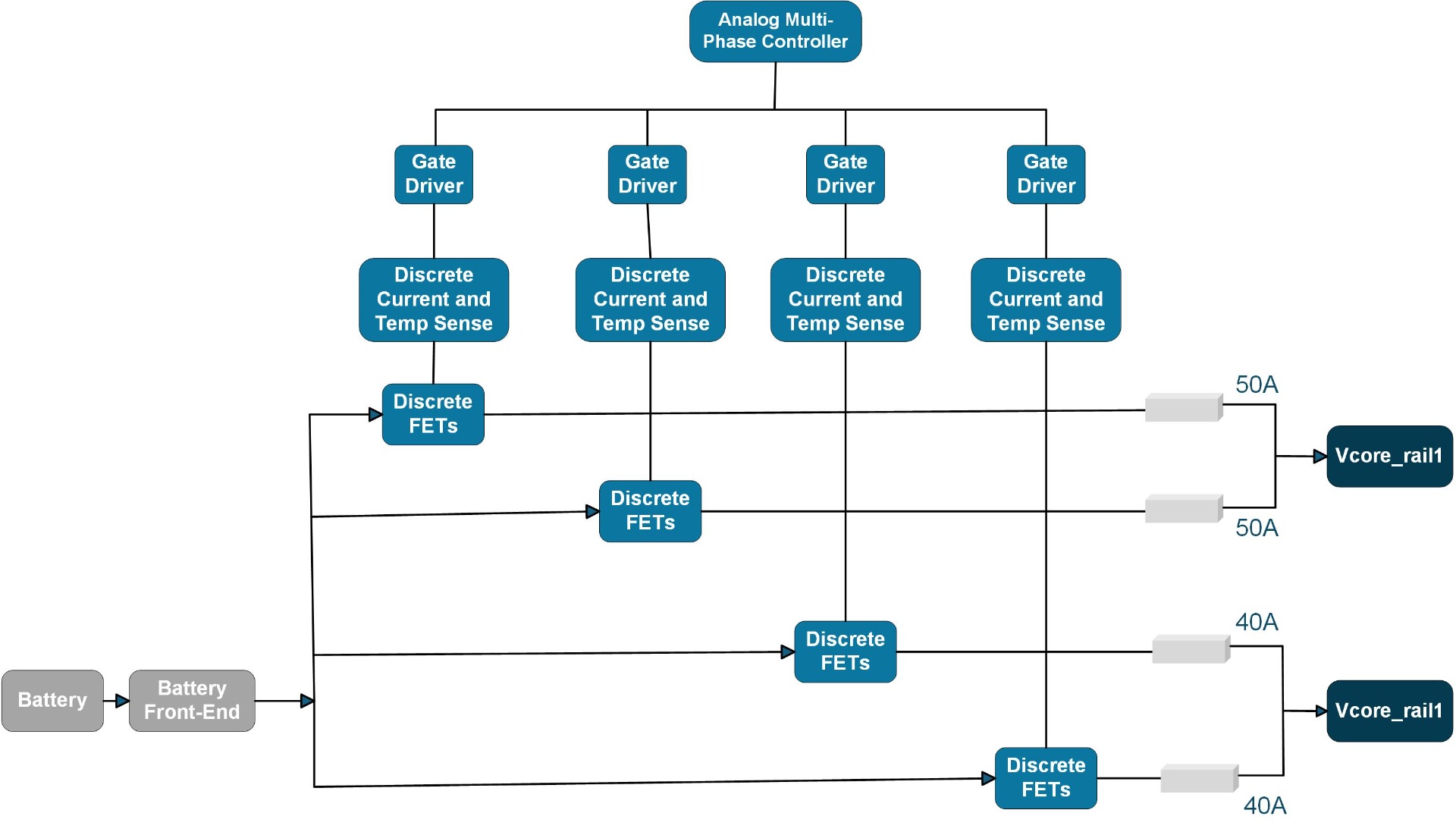
Figure 1: Traditional SoC Solution
Figure 2 shows a state-of-the-art SoC core power solution using digital multi-phase controllers and monolithic DrMOS power stages. The DrMOS integrates the gate driver IC, current-sensing circuit, and temperature-sensing circuit; this enables a simpler solution by eliminating several external components that would be required by traditional solutions.
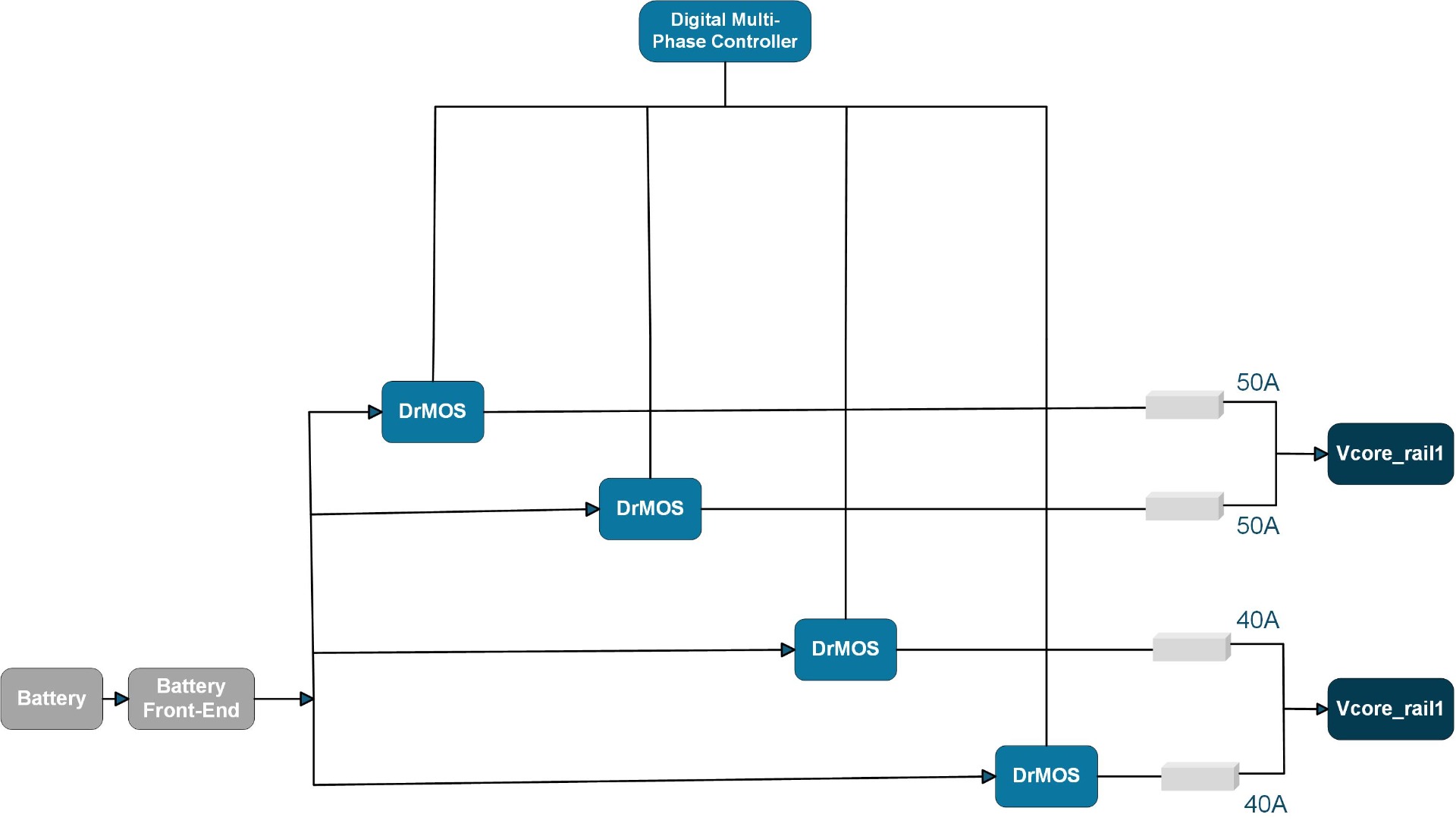
Figure 2: Digital PWM Controllers and Monolithic DrMOS
The DrMOS is a monolithic design that offers incredibly high power density, accurate current-sensing, and accurate on-die temperature sensing. MPS has 22V and 6V DrMOS portfolios to support single-stage power conversion and two-stage power conversion. For example, the MPQ86760 is a DrMOS from the 6V portfolio, which makes it well-suited for autonomous driving SoCs and infotainment. Meanwhile, the MPQ86960 is a DrMOS from the 22V portfolio and can be used in humanoid robots.
Figure 3 shows a DrMOS that can work in tandem with MPS’s multi-phase controllers to supply power rails ranging from 30A to 80A (and can also go higher under certain conditions). This combination of a DrMOS and dedicated controller can be employed to efficiently regulate the core power rail of the SoC within a humanoid robot, ensuring compactness and high power delivery performance.
These digital controllers offer flexibility and scalability since the number of phases can be configured depending on the current ratings of the given SoC core rail. Digital controllers do not require any external feedback loop compensation, which simplifies design work and cuts down on development time. They also feature a non-volatile memory (NVM) to configure and reconfigure the register settings up to 1,000 times.
In addition, the controller and DrMOS offer various monitoring and protection features that can be used to implement system-level telemetry.
Building SoC Power Delivery for Humanoid Robotics
Modern robotic platforms use either a 48V or a 22V lithium-ion battery; a 48V lithium-ion battery is emerging as the standard high-voltage rail for full-sized humanoid robots. MPS offers solutions to step down both 48V and 22V efficiently to supply the necessary voltage to the core rails.
Figure 3 shows a block diagram of a high-efficiency power delivery system for a robotics SoC. A battery feeds through the front-end protection to two MPQ2967 digital controllers, then each controller configures and manages 4x MPQ86960 DrMOS stages in multi-phase configurations. This ensures delivery to four power rails from 30A to 80A. Multi-phase operation improves efficiency, current sharing, and thermal performance. The controllers can communicate with the SoC via the I2C interface or any other standard interface that our controllers support. This set-up is ideal for high-performance robotics that require compact and reliable power delivery.
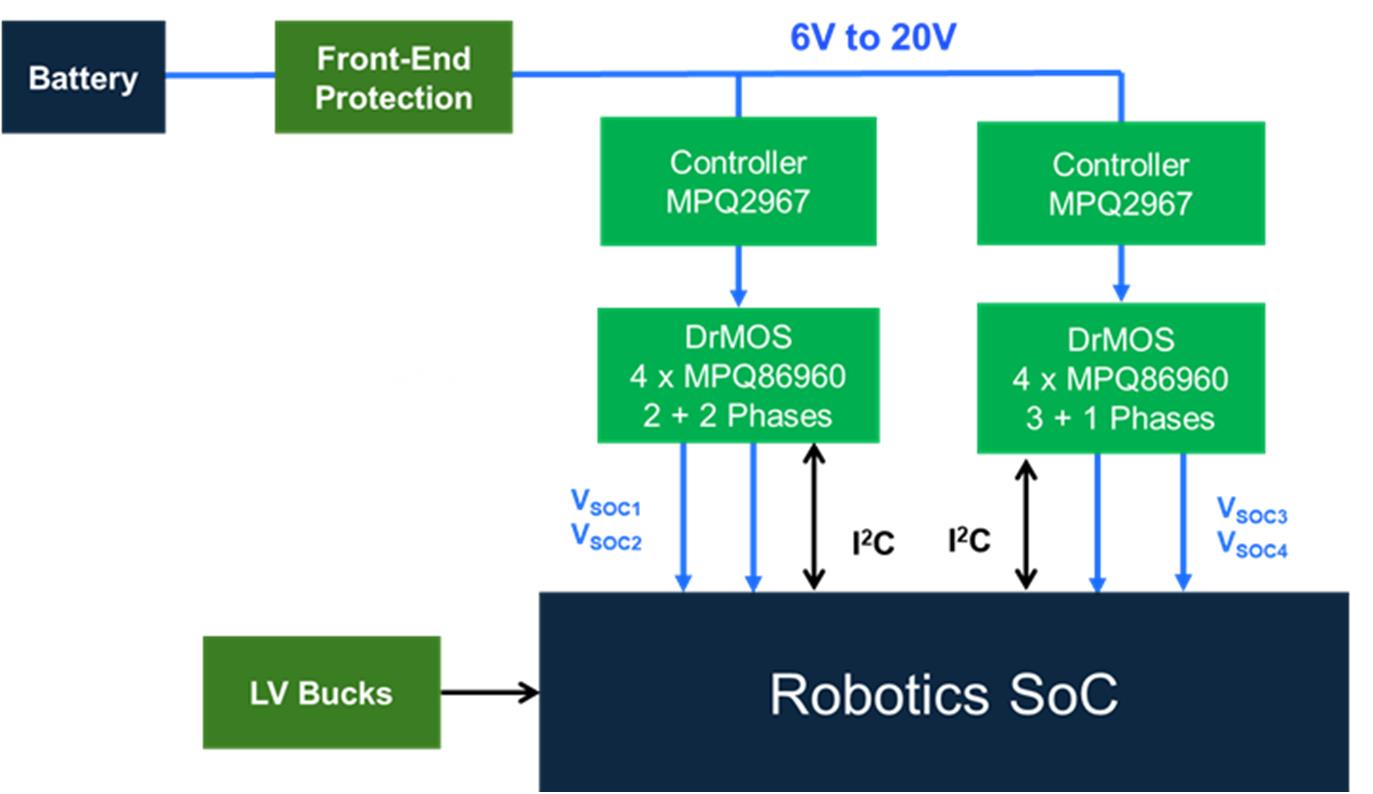
Figure 3: Example of a Robotic SoC Power Tree
Conclusion
The robotics industry is shifting from distributed controllers to centralized, high-performance computing platforms. Modern robots use CPUs, GPUs, and AI accelerators to handle computer vision, motion planning, and control algorithms in real time. This transformation gives rise to the necessity of having powerful, low-voltage and high-current power delivery systems.
The SoCs used in central computing require advanced power management solutions, particularly for core voltage rails. Traditional power solutions are no longer well-suited for next-generation central compute power applications. With multi-phase digital controllers like the MPQ2967 and DrMOS power stages like the MPQ86960 used in robotic SoC core power applications can deliver scalable, flexible, and compact power solutions with high efficiency and fast transient response.
Notes:
- Global Automation Humanoid Robot: The AI Accelerant. (2024, January). Goldman Sachs. https://www.goldmansachs.com/pdfs/insights/pages/gs-research/global-automation-humanoid-robot-the-ai-accelerant/report.pdf
- Market Research Future. (n.d.). Europe Humanoid Robots Market Size Report, Share and Trends 2035. https://www.marketresearchfuture.com/reports/europe-humanoid-robots-market-46133
- Brooks, C. (2025, May 7). The rise of the humanoid robotic machines is nearing. Forbes. https://www.forbes.com/sites/chuckbrooks/2025/05/07/the-rise-of-the-humanoid-robotic-machines-is-nearing/
- Wright, J. (2023, January 9). Inside Japan’s long experiment in automating elder care. MIT Technology Review. https://www.technologyreview.com/2023/01/09/1065135/japan-automating-eldercare-robots/
- NVIDIA Jetson Modules, support, Ecosystem, and lineup. (n.d.-b). NVIDIA Developer. https://developer.nvidia.com/embedded/jetson-modules
- Intel® MovidiusTM 3700VC VPU der 3. Generation. (n.d.). https://www.intel.de/content/www/de/de/products/sku/230545/gen-3-intel-movidius-3700vc-vpu/specifications.html
_______________________
Did you find this interesting? Get valuable resources straight to your inbox - sent out once per month!
Technical Forum
 Latest activity 3 months ago
 4 Comments
Latest activity 3 months ago
1 Comment
Latest activity 3 days ago
4 Comments
4 Comments
Latest activity 3 months ago
1 Comment
Latest activity 3 days ago
4 Comments
Log in to your account
Create New Account