


Implementing a Linear Battery Charger and Boost Converter in Wearable Applications


Get valuable resources straight to your inbox - sent out once per month
We value your privacy
Introduction
When it comes to wearable fitness devices and activity monitors, small solutions with a shorter charging time are ideal. The popularity of wearable devices has skyrocketed in the last decade, fueled by increasingly sophisticated microchips and supporting technology. For wearable developers, the challenge is to make devices that feel comfortable and unobtrusive, with additional functions that gain appeal by improving the end user’s experience.
The latest popular smartwatches feature a host of advanced health sensors and apps, such as their ability to detect heart rhythm irregularities. They also offer heart rate and blood oxygen measurements, and can monitor temperature changes that reflect additional health factors. Some of them can sense the user’s sleep stages, provide advanced workout metrics, and detect when sudden accidents have occurred, such as a car crash.
Many wearables also include multi-standard wireless connectivity, such as Bluetooth, Wi-Fi, or GPS, to send data updates and locational information. Additional functions like the always-on display option further drain the battery power.

Figure 1: More Sophisticated Displays Add Power Demands
In addition to the demand for new features, designers for wearable devices face logistical challenges. These solutions must be lightweight, durable, and able to withstand harsh conditions and wide temperature ranges because they are on a user’s person. In addition, they must be able to charge quickly and safely to keep up with users who have an active lifestyle, and they must consume as little power as possible to extend the time between charges.
Related Content
-
APPLICATION

Wearables
Wearables include a growing number of innovative devices designed to deliver convenient, high-quality functionality to consumers across a variety of use cases.
-
ARTICLE
The Linear Charger in Wearable Applications
Wearable devices have become increasingly integrated into our lives. In addition to being used in fitness devices, they have also worked their way into other fields, including medical care, entertainment, security, and finance.
-
ARTICLE

Understanding Quiescent Current and Shutdown Current with a Boost Converter
This article describes the difference between a boost converter’s IQ and shutdown current (ISD) to provide a deeper understanding of how IQ and ISD can be utilized in battery-powered applications.
-
ARTICLE

Battery Management Systems: How Battery Chemistry Affects Battery Charger IC Selection
This article discusses the benefits and challenges of four battery chemistries (Li-ion, LFP, Li-polymer, and NiMH) in battery applications under 30V.
Linear Battery Charger IC for Wearable Applications
Battery life is one of the biggest considerations in the success of a portable device.
Given that wearables require tiny, low-power chargers, MPS has been working toward ways to deliver this power most effectively. Its design engineers have developed the MP2703, a state-of-the-art, ultra-low power linear charger with power path management. Not only does the MP2703 provide all the benefits of a typical linear charger, but it was designed for ultra-low power products, meaning it can be used for Bluetooth headphones, wearables, and even earbuds.
Linear chargers are recommended for wearables because they are cost-effective and boast a simple design. Because linear chargers require fewer components, they enable more straightforward designs with lower manufacturing costs and increased reliability. The disadvantage of linear chargers for some applications is that they dissipate a relatively larger amount of power and thus excess heat. For low-power applications, however, this is not an issue, making linear chargers a well-suited option.
The MP2703 was designed to meet the increasing power demands of wearables For example, the European Union’s e-call initiative has required all new cars to have automatic emergency call features. This is a trend that smart devices are starting to include as well; however, this feature can require up to a 12V operating input voltage (VIN). The MP2703 operates with up to 14.4V VIN — this is significantly higher than the standard 6V VIN, making the MP2703 a standout design choice.
Its tiny QFN-10 (2mmx2.5mm) package means it can be implemented even for smart rings, versus the larger (3mmx3mm) footprint of competing products.
As discussed earlier, a common disadvantage when using linear chargers is their high power dissipation, which results in additional heat. However, the MP2703 was designed with this in mind — it allows for 1.78W of continuous power dissipation and has excellent thermal dissipation through the package, the PCB, and surrounding air. This allows the MP2703 to be used on small board areas with 1A of maximum charge current, without designers having to worry about the extra real estate typically needed for cooling.
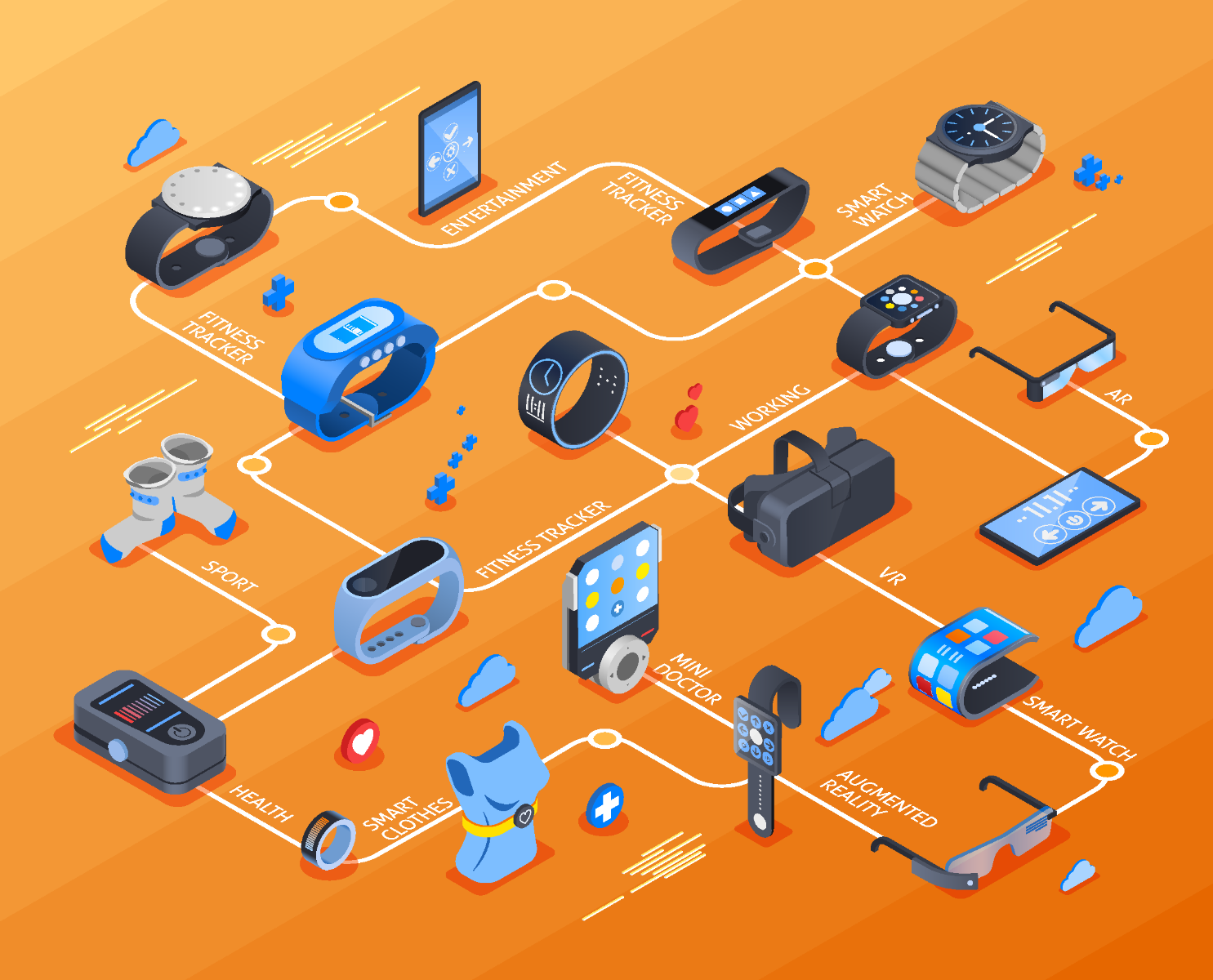
Figure 2: 3D VR Glasses Require Ultra-Low Power Solutions
To prevent overheating, the MP2703 also offers battery temperature protection features that are compliant with industry standards. It protects the battery life — critical for wearables — with a 100nA battery leakage current in shutdown mode. The MP2703’s cutoff when the battery has reached its maximum regulation voltage, called the termination current, is 3mA. This is critical for small battery-powered applications like wearables to prevent over-voltage (OV) conditions and extend battery life.
Boost Converter for Wearable Applications
Another power solution that works well with the MP2703 for wearables applications is the MP28600, a DC/DC synchronous boost converter. The MP28600 steps up, or boosts, VIN to the target output voltage (VOUT), and can be set to down mode when VIN exceeds VOUT. Its tiny SOT563 (1.6mmx1.6mm) package makes it ideal for wearables.
It is designed to meet wearables’ growing power demands, where the battery’s output may be below the VIN required to run applications such as GPS or e-call. In these systems, a step-up converter steps up the voltage from a battery output to ensure that there is sufficient power for the receiving device.
Even if a wearable is not being actively used, it should be able to turn on and be responsive as soon as it is needed by the user. The MP28600 is ideal for these applications due to its ultra-low quiescent current (IQ); that is, when the product is not actively operating and in standby mode, it consumes very little power. It is important to consider IQ for battery-powered devices such as wearables since a lower IQ correspond with longer times between charges.
Conclusion
The wearables market relies on battery charger ICs that can efficiently charge the device, as well as boost converters that step up the voltage between the battery and receiving device. The MP2703 and the MP28600 are excellent options for designers developing charging solutions for wearable products since these devices enable designers to better develop cost-effective products with superior performance for the end customer. Explore MPS’s range of other linear battery chargers and boost converters to help you meet your design needs.
_______________________
Did you find this interesting? Get valuable resources straight to your inbox - sent out once per month!
Technical Forum
 Latest activity 12 hours ago
 2 Comments
Latest activity 13 hours ago
8 Comments
Latest activity 18 hours ago
1 Comment
2 Comments
Latest activity 13 hours ago
8 Comments
Latest activity 18 hours ago
1 Comment
Log in to your account
Create New Account